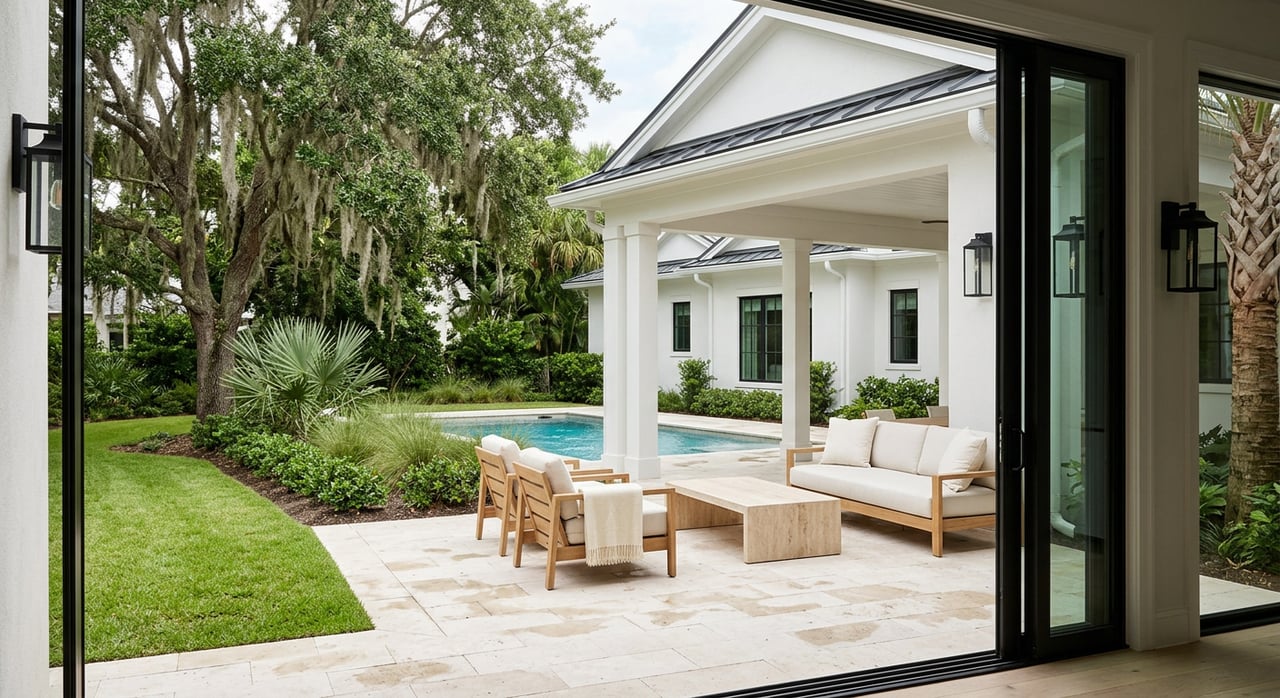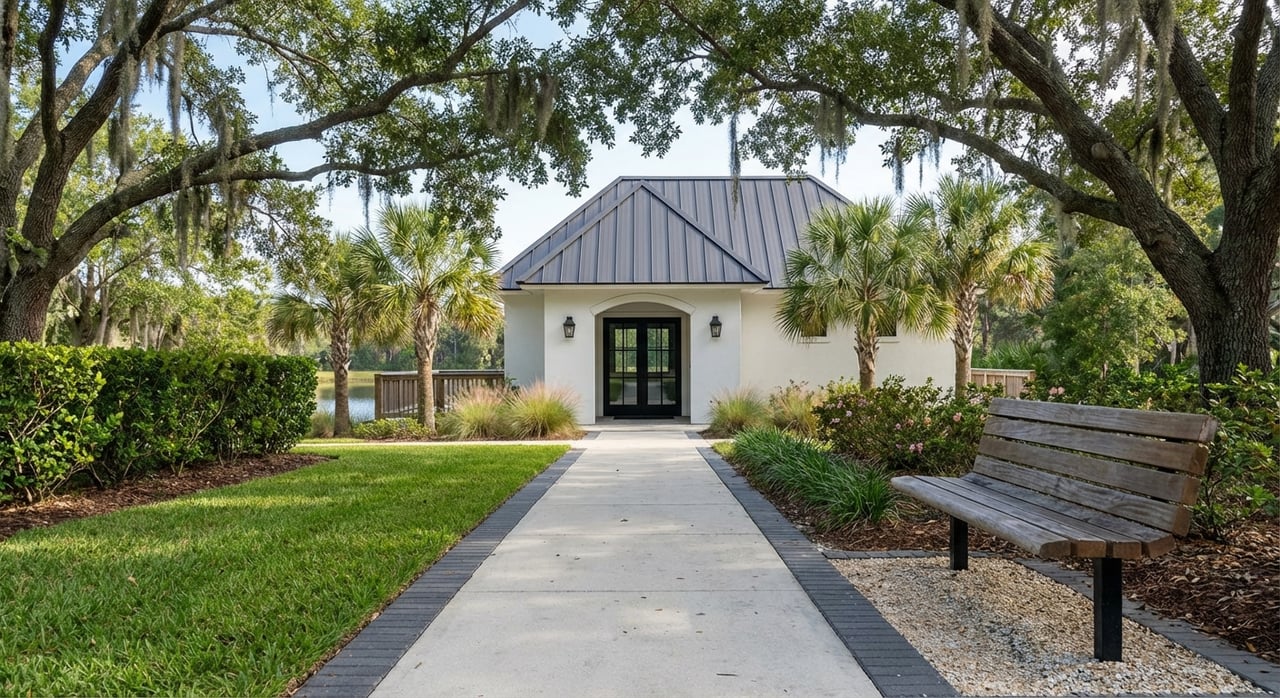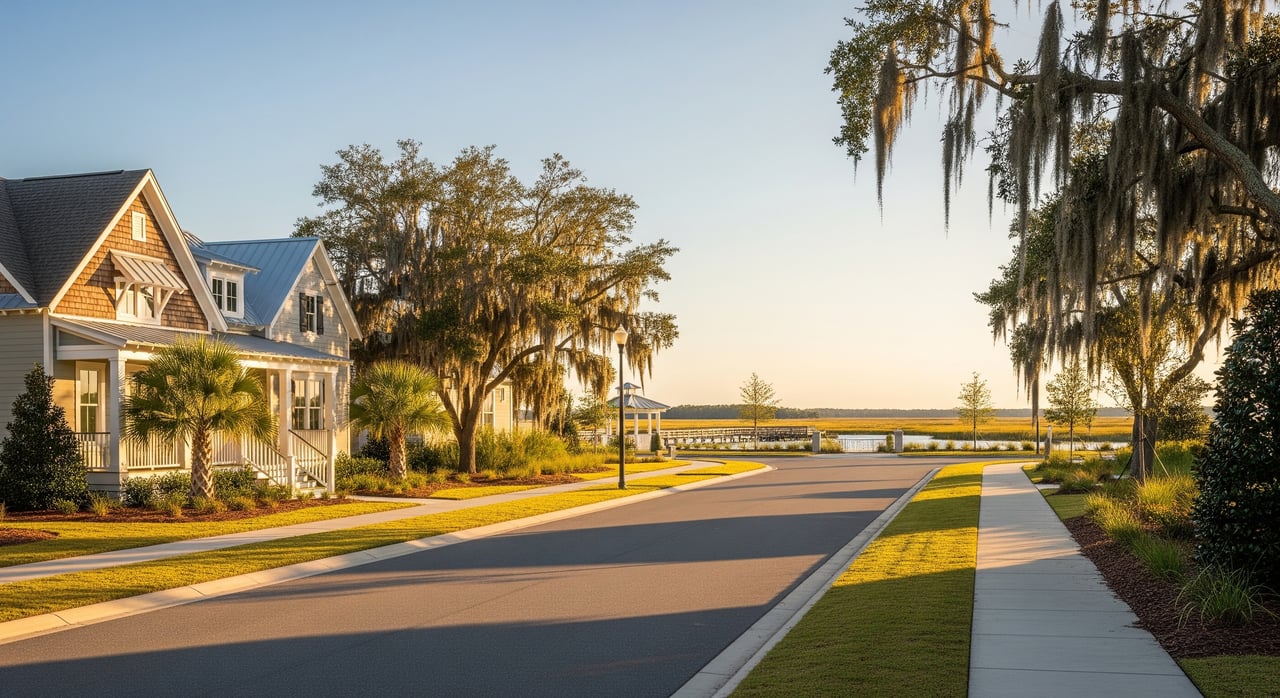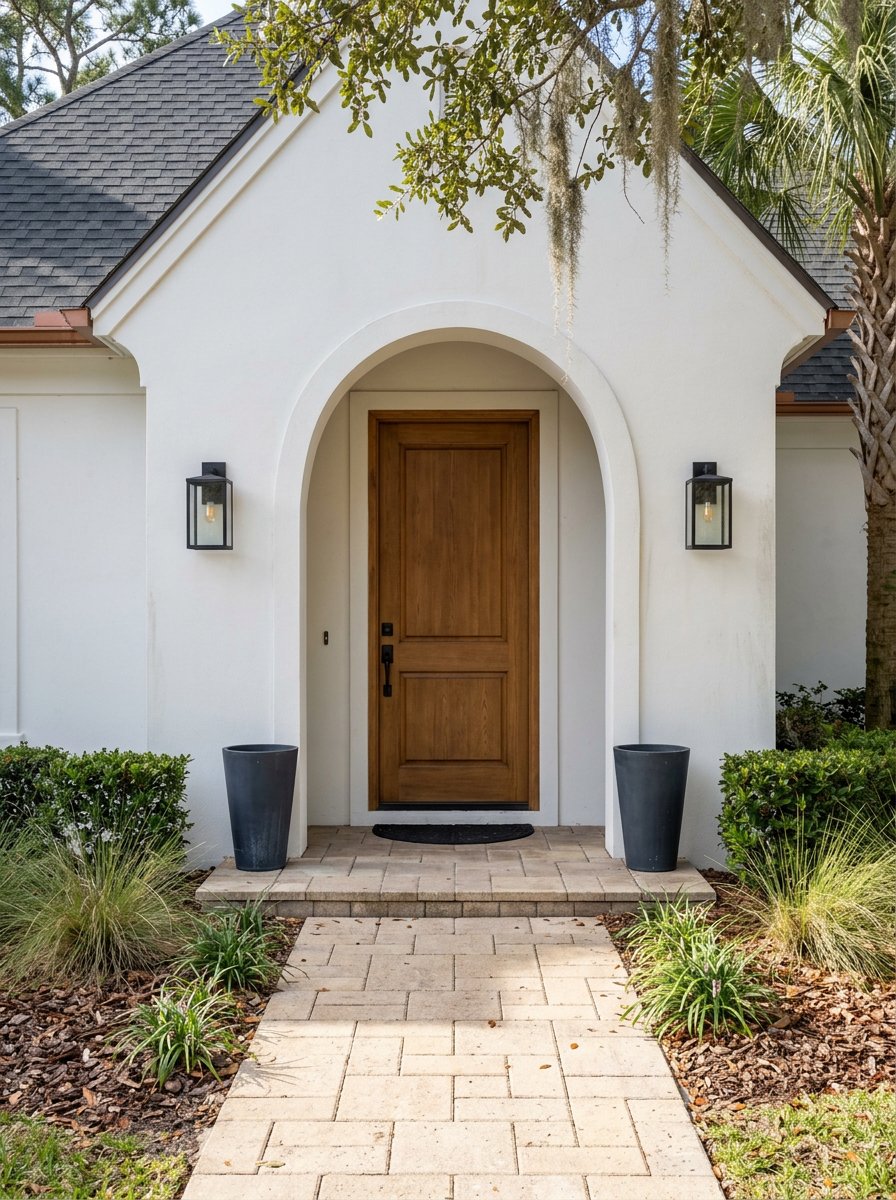
Thinking about selling in Palencia and worried about pricing it right? You are not alone. In a community with golf views, marsh frontage, and a wide range of home types, a strong pricing plan is the difference between a smooth sale and weeks of showings without offers. In this guide, you will learn how the Palencia micro-market works, what drives value, and a step-by-step plan to price your home with confidence. Let’s dive in.
Know your Palencia market
Neighborhood snapshot
Recent neighborhood reporting shows Palencia’s median sale price in the high $600,000s with a sale-to-list ratio near 97 percent. Median days on market have lengthened compared with the 2021–2022 peak, which means buyers are selective and accurate comps matter for launch pricing. For a quick overview, review Realtor.com’s Palencia market snapshot and confirm specifics with your agent’s MLS data when you are ready to list.
St. Johns County backdrop
Your buyers are also shopping across St. Johns County, which has generally posted higher median prices than many Florida counties and a moderate, shifting level of inventory. Position your Palencia home against both neighborhood and county trends so your price feels competitive to a broader buyer pool. You can scan the St. Johns County market overview for context before you set a final number.
What drives value in Palencia
Amenity and location premiums
The Palencia Club is a standout driver for many buyers. It is a private club with an 18-hole championship course, clubhouse dining, and quality practice facilities. Proximity to the club and golf views can boost appeal for lifestyle buyers. If your location is a selling point, highlight it in your pricing and marketing, and verify any membership transfer details in advance. Learn more about the club offerings on the Palencia Club site.
Home features that change price
Certain property characteristics often shift value in meaningful ways:
- Water or marsh frontage and Intracoastal views can command notable premiums compared with interior lots of similar size and finish.
- Golf-course lots and end-of-street or privacy lots often carry a location premium.
- Condition and updates matter. Renovated kitchens and baths, newer HVAC or roof, and polished outdoor living like a screened lanai or pool can support a higher price.
- Lot size, garage capacity, and any permitted improvements should be documented in your CMA review.
Buyer demand signals
Active buyers in Palencia include relocators from the Jacksonville-to-coastal corridor, households drawn to the school zones, and lifestyle buyers focused on club access or water-adjacent living. Each sub-group values different features, so align your price with the buyers most likely to see your home as a fit.
Price it right: the method
Build a defensible CMA
A clear, well-supported comparative market analysis is your foundation. Ask your agent to:
- Focus on closed sales from the last 3 to 6 months in your same Palencia sub-neighborhood. If activity is thin, expand to 6 to 12 months with time adjustments.
- Match product type first: single-family compared to single-family, and townhome or condo compared to the same type.
- Target similar size within about 10 to 15 percent, with comparable bed and bath counts and garage size.
- Align lot type and position: waterfront, golf view, cul-de-sac, and privacy factors.
- Adjust for condition and finish level. Renovated kitchens or baths, recent system upgrades, and outdoor living areas warrant dollar adjustments.
- Show a price-per-square-foot band as a cross-check, and include pendings and actives to frame current competition.
Choose your list-price approach
Pick an approach that fits your timeline and the current absorption rate:
- Market pricing: List in line with recent closed comps and fresh pendings. This maximizes showings and appraisal support and suits most sellers.
- Slightly aggressive pricing: Price just under a key search threshold, such as 599,900 instead of 615,000, to widen your buyer pool and spark early activity. Use this only if inventory and buyer demand support a competitive response.
- Aspirational pricing: Test the market above comps only when the home has clear, uncommon value such as rare views, exceptional custom finishes, or no direct competition. Expect longer days on market and be ready to re-price if feedback points to a gap.
A practical guidepost: in many mid-price segments, staying within about 2 to 3 percent of a defensible market value helps maintain leverage. Repeated small reductions can drain momentum and push your listing down in buyer searches.
Time your launch
Your first two weeks on the market are critical. Plan a coordinated debut so your listing lands fully polished on day one:
- Professional photography, curated copy, and complete property details.
- Floor plan and 3D tour if available to increase engagement.
- A concise upgrades list with years completed and documentation. Consider a pre-inspection and recent service receipts to build trust and reduce renegotiation risk.
Protect your sale: disclosure, appraisal, and costs
Florida seller disclosure basics
Florida sellers must disclose known, non-obvious material defects that affect value. The Florida Supreme Court case Johnson v. Davis established this duty. Complete a thorough Seller Property Disclosure, attach key dates and receipts, and keep copies of inspection reports and permits. Transparent documentation helps buyers, lenders, and appraisers understand value and condition.
Appraisal and financing
Support your price with clear comps that an appraiser can use. Your agent can reference those sales in the MLS remarks or agent notes to guide valuation. If you are pricing near the top of your range, discuss appraisal-gap terms with your agent. These can help bridge a shortfall, but weigh the tradeoff between a higher contract price and appraisal risk.
Closing costs to plan for
Budget for the state excise tax on deeds known as documentary stamps. Florida statute sets this at 0.70 dollars per 100 dollars of consideration in most counties. Local custom or your contract often assigns this to the seller, so confirm with your title company. You can verify the rule in Florida Statutes, Chapter 201. Also plan for HOA estoppel or transfer fees, prorated property taxes, title and recording charges, any mortgage payoff fees, and your agreed commission.
Pre-list checklist
Two to six weeks before listing
- Gather documents: warranties, past inspections, contractor receipts, permits, HOA rules, and any recent estoppel or transfer information.
- Tackle repairs with the best ROI. Start with safety and system items like roof, HVAC, and plumbing. Then refresh paint, landscaping, and lighting for buyer impact.
- Consider a pre-inspection if comps are thin or you are targeting a higher price band. A price-support memo from an appraiser can help in unique segments.
Pricing conversation with your agent
- Review local comps and why each comp was selected, including sub-neighborhood, view, condition, and sold date.
- Preview an estimated net sheet that shows your likely proceeds after commissions, prorations, and typical closing costs.
- Agree on a strategy for contract terms that influence price such as closing date, inspection timelines, and any concessions.
Post-list monitoring
- Track showings, feedback, and nearby pendings during the first 2 to 4 weeks. If activity is soft, revisit the CMA and competition. Avoid tiny, repeated reductions. If a change is needed, make it meaningful and backed by data.
Smart pricing examples to consider
- If your home overlooks the golf course and has recent system upgrades, your target band should reflect both the view premium and condition advantage compared with interior-lot comps that lack updates.
- If there are several similar active listings in your price range, consider stepping just under a common search threshold to stand out without sacrificing appraisal support.
- If your home offers a rare combination of features with no direct competition, you can test higher. Set a check-in date after the first two weeks to review feedback and adjust if needed.
Work with a Palencia expert
Pricing well is a skill, but it is also local knowledge. As a St. Augustine native with a high-volume track record, premium marketing, and a vetted vendor network, Tara brings the data, presentation, and execution you need to maximize your sale price and reduce stress. If you are thinking about selling in Palencia, let’s align your price with today’s market and build a launch plan that performs.
Ready to get started? Get your instant home valuation and a tailored pricing strategy with Tara Presser.
FAQs
What makes Palencia pricing different from nearby areas?
- Palencia has a wide range of home types and strong amenity draws like the private Palencia Club. Pricing should reflect sub-neighborhood comps, view premiums, and condition, then be calibrated against St. Johns County trends for broader buyer context.
What is the current sale-to-list ratio in Palencia?
- Recent neighborhood reporting shows a sale-to-list ratio near 97 percent along with a median price in the high $600,000s. Confirm the latest figures with your agent’s MLS data and the Palencia market snapshot before you launch.
How do golf views or marsh frontage affect price?
- Golf and water or marsh views often carry meaningful premiums versus interior lots when other factors like size and finish are similar. Your CMA should pair like-for-like comps and apply clear dollar adjustments for view and location.
Do I need to disclose a repaired issue like a past roof leak?
- Yes. Florida law requires sellers to disclose known, non-obvious material defects that affect value. Be transparent and provide receipts or reports. See the precedent set in Johnson v. Davis for the legal standard.
What seller closing costs should I expect in St. Johns County?
- Plan for Florida’s documentary stamp tax on deeds at 0.70 dollars per 100 dollars of consideration, plus HOA estoppel or transfer fees, prorated property taxes, title and recording charges, any payoff fees, and your agreed commission. The statute is outlined in Chapter 201, and local custom often has the seller paying doc stamps by contract.